![Franke Tobey Jones [logo]](https://www.franketobeyjones.com/wp-content/themes/franktobyjones2017/images/logo-2024.png)

Caring for Someone You Love Without Losing Yourself
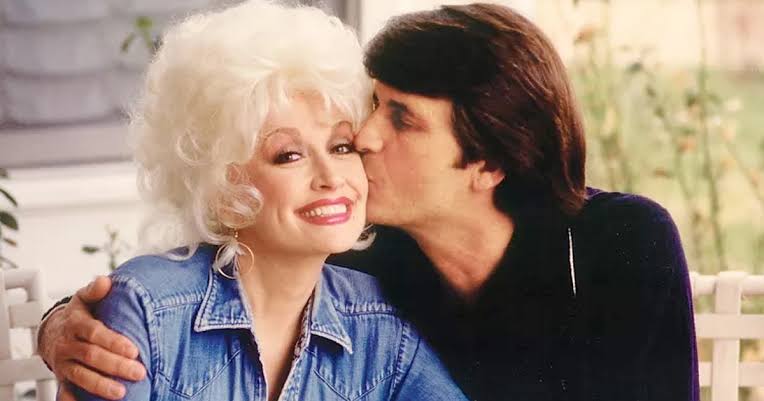
Dolly Parton’s story is a timely reminder that caregivers need care, too
Dolly Parton spent a lifetime bringing joy to millions of people. But in the final years of her life, she was also something much more ordinary: a wife caring for a husband who was ill.
Her husband of nearly 60 years, Carl Dean, died in March 2025 after what Dolly described as a lengthy illness. Months later, she shared something that will sound painfully familiar to many caregivers.
While Carl was sick, she said, she didn’t take care of herself and let things go that she should have been taking care of.
With Dolly’s recent death from cancer, those words have taken on new significance. We don’t know what she neglected or whether it had any connection to her later illness. But her experience shines a light on something happening quietly in millions of homes every day.
When someone you love needs you, it can become very easy to stop taking care of yourself.
When “Helping” Becomes a Way of Life
Caregiving rarely begins with a declaration that I am now a caregiver.
A spouse starts having trouble remembering appointments, so you take over the calendar. Driving becomes difficult, so you drive. Medications get confusing, so you organize them. You begin cooking more, handling the finances, accompanying your spouse to medical appointments or staying closer to home because you’re uncomfortable leaving them alone.
When someone is experiencing memory loss, those responsibilities can grow even more gradually. You may not realize how much your life has changed until you think back to everything you used to do.
When was the last time you went to lunch with friends without worrying about getting home?
When did you last take a class, go to the gym, attend church, work in the garden or spend an afternoon doing absolutely nothing?
And perhaps most importantly: When was the last time you went to your own doctor?
Today, some 63 million Americans are family caregivers. Nearly two-thirds report experiencing emotional stress, 45% report physical strain and almost one-quarter experience loneliness.
Those numbers tell us something important.
Loving someone doesn’t make us immune to exhaustion.
“I’ll Take Care of Me Later”
There is an understandable reason caregivers put themselves last.
When the person you love is dealing with dementia, cancer, Parkinson’s disease or another serious illness, your own needs can seem relatively unimportant.
Your knee hurts? You’ll deal with it later.
You’re overdue for a mammogram or physical? Next month.
You haven’t seen your friends lately? They’ll understand.
You’re exhausted? You’ll catch up on sleep eventually.
But “later” has a way of becoming months—and then years.
One caregiver postponed routine cancer screenings for years. Another man who cared for his wife through cancer said he didn’t attend a single doctor’s appointment for himself during those years. And, these stories are ones we hear over and over.
It isn’t because caregivers don’t know their health matters.
Sometimes there simply isn’t enough time, energy or emotional bandwidth left.
Caring for Yourself Isn’t Abandoning Someone Else
For spouses in particular, accepting help can be emotionally complicated.
You may have promised to take care of one another. You may believe no one understands your husband or wife the way you do. And when memory loss is involved, your loved one may resist having someone else come into the home or become upset when you’re away.
So you keep doing more.
But there is an important difference between caring for someone and doing everything yourself.
Bringing in help doesn’t diminish your love or commitment. In fact, it may allow you to preserve something caregiving can gradually take away: the opportunity to simply be a husband, wife, daughter, son or friend again.
Help can take many forms. It might be asking a family member to stay for an afternoon, hiring an in-home caregiver, attending a caregiver support group, using respite services, exploring an adult day program or considering whether a senior living community could provide both of you with additional support.
The right answer will be different for every family.
What matters is recognizing that the caregiver is part of the care equation, too.
Put Yourself Back on Your Own List
If you’re caring for someone you love, perhaps Dolly Parton’s story can serve as a gentle reminder to ask yourself a few questions.
Have I been keeping my own medical appointments?
Am I getting enough sleep and exercise?
Do I still see people who make me laugh?
Do I have time each week when someone else is responsible?
Is there something I loved doing before caregiving became such a large part of my life that I could begin doing again?
And perhaps the hardest question:
Do I need more help than I’m currently allowing myself to accept?
There is no medal for doing all of this alone.
Caregiving can be one of the greatest expressions of love we ever give another person. It can be meaningful, intimate, exhausting, frustrating, beautiful and heartbreaking…sometimes all in the same day.
But the person receiving care isn’t the only person whose life matters.
Yours does, too.
Take the walk. Make the doctor’s appointment. Have lunch with your friend. Ask someone to help. Explore your options before you’re exhausted or a crisis forces you to.
Keep caring for the person you love. Just remember to keep caring for yourself, too.
You Don’t Have to Navigate Caregiving Alone
If you are caring for a spouse, partner or loved one and aren’t sure where to turn, Franke Tobey Jones is here to help.
You don’t have to be ready to move to senior living, or even be considering a move, to reach out to us. Our caring Admissions team has spent decades talking with older adults and families as they navigate memory loss, changing health needs and the challenges of caregiving.
We can help connect you with resources for in-home care and other services, talk through the options available to you, answer questions or simply provide an understanding ear and a shoulder to cry on. Sometimes it just helps to talk with someone who understands what you’re going through.
However we can help, please use us as a resource. You don’t have to figure everything out on your own.
Call the Franke Tobey Jones Admissions team at 253-752-6621. We’re here to listen, help and support you however we can.